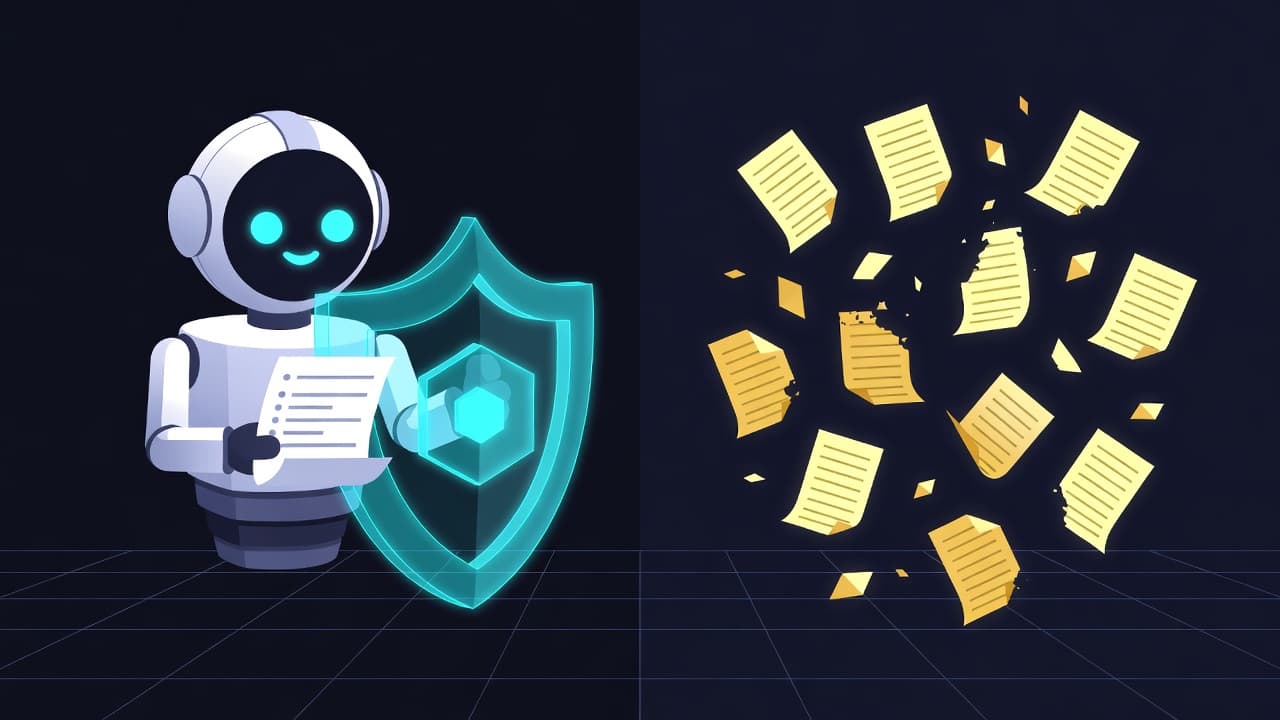
Quercle vs Tavily: Which Web API is Best for AI Agents?
TL;DR
| Feature | Quercle | Tavily |
|---|---|---|
| Best for | AI agents needing secure web access | RAG & research applications |
| Fetch output | LLM-processed markdown | Raw content chunks |
| Search output | LLM-synthesized answer | LLM-synthesized answer |
| Security | Prompt injection detection | No security filtering |
| JS Rendering | Full JS rendering | No (inconsistent results) |
| Pricing (smallest plan) | $0.001/fetch, $0.005/search | $0.0032/extract (advanced), $0.008/search |
| API complexity | 2 endpoints, minimal config | 5 endpoints, many parameters |
Overview
Both Quercle and Tavily offer fetch and search APIs for AI applications. The key differences are in security, JavaScript rendering, and fetch output format. Both provide LLM-synthesized search answers - Tavily via the include_answer parameter, Quercle by default.
Key Differences
1. Security
Quercle includes built-in prompt injection detection. When a webpage contains hidden malicious instructions, Quercle detects and blocks them before they reach your LLM.
Tavily passes through content as-is, including any hidden prompt injection attacks embedded in pages.
2. JavaScript Rendering
Quercle fully renders JavaScript-heavy pages. SPAs, React apps, and dynamic content work out of the box.
Tavily's JavaScript rendering behavior is poorly documented. Their documentation doesn't mention how they handle JS-rendered content. In our tests, initial requests to JS-heavy pages (like Artifact Hub) failed with "Failed to fetch url" errors. However, subsequent requests to the same URL sometimes succeeded, suggesting Tavily may process pages offline in the background. This means dynamic content may not be up-to-date, and first-time requests to uncached JS-heavy pages will likely fail.
3. Fetch Output
Quercle processes fetched content through an LLM with your custom prompt:
{
  "url": "https://example.com/docs",
  "prompt": "Extract the API authentication steps"
}
// Returns: Clean markdown with just the auth steps
Tavily's /extract endpoint returns raw content chunks. The query parameter reranks chunks by relevance, but you still get raw chunks rather than a processed answer:
{
  "urls": ["https://example.com/docs"],
  "query": "authentication steps",  // Reranks chunks by relevance
  "extract_depth": "advanced"       // retrieves tables & embedded content
}
// Returns: Raw content chunks your agent still needs to process
Tavily's extract has many parameters to configure (extract_depth, format, timeout, include_images, etc.) - you may need to dig through their docs to find the right options for your use case.
4. Search Output
Both provide LLM-synthesized answers for search queries:
Quercle /v1/search:
{ "query": "How to implement OAuth2?" }
// Returns: LLM-synthesized answer with inline source citations
Tavily /search with include_answer:
{ "query": "...", "include_answer": "advanced" }
// Returns: LLM-synthesized answer (basic or advanced) with search results
Both generate answers using an LLM - Tavily offers "basic" (quick) or "advanced" (detailed) answer modes via the include_answer parameter.
When to Use Quercle
- AI agents browsing untrusted websites autonomously
- Security-sensitive applications where prompt injection is a concern
- JavaScript-heavy sites like documentation, dashboards, or SPAs
- Applications needing processed, ready-to-use content from fetches
When to Use Tavily
- RAG applications where you control and trust the document sources
- Site crawling/mapping - Tavily offers dedicated crawl and map endpoints
- Multi-step research - Tavily's research endpoint handles complex queries
- Simple static pages that don't require JS rendering
Pricing Comparison (smallest volume plan)
| Operation | Quercle | Tavily |
|---|---|---|
| Web Fetch | $0.001/fetch | ~$0.0032/extract (advanced) |
| Web Search | $0.005/search | ~$0.008/search |
Tavily's "advanced" extraction (2 credits per 5 URLs) is used for comparison as it retrieves tables and embedded content, making it more comparable to Quercle's full page processing.
For comparable operations, Quercle is 3x cheaper for fetching and 37% cheaper for search.
The Bottom Line
Choose Quercle if security matters or you need JavaScript rendering. For AI agents browsing the open web, prompt injection detection is essential.
Choose Tavily if you need crawling, mapping, or multi-step research capabilities, or you're building RAG systems with controlled, trusted content sources.
Both offer fetch and search - the choice depends on your security needs, content sources, and whether you need crawling or research capabilities.
Ready to try Quercle?
Built for AI agents. See how it compares in real-world tests.
More Articles
Quercle Chat: Open Source AI Chat with Web Tools
Quercle Chat runs entirely in your browser - no backend, no data collection. An open source, model-agnostic AI chat with web search and fetch capabilities. Use any OpenRouter model.

Building an AI Research Agent with Persistent Memory
Learn how Quercle Research Agent remembers what it learns across sessions. An open source AI assistant that builds knowledge over time using Quercle, MongoDB, and OpenRouter.

SERP MCP: Local Google Search for AI Agents
Get Google search results locally with SERP MCP - an open source MCP server with fingerprint rotation. Learn when to use it vs Quercle for your AI agents.
Quercle + xpander.ai: Powering AI Agents with Web Data
Quercle integrates with xpander.ai to give AI agents reliable web access. See how to build agents that monitor GitHub trends, research topics, and more.
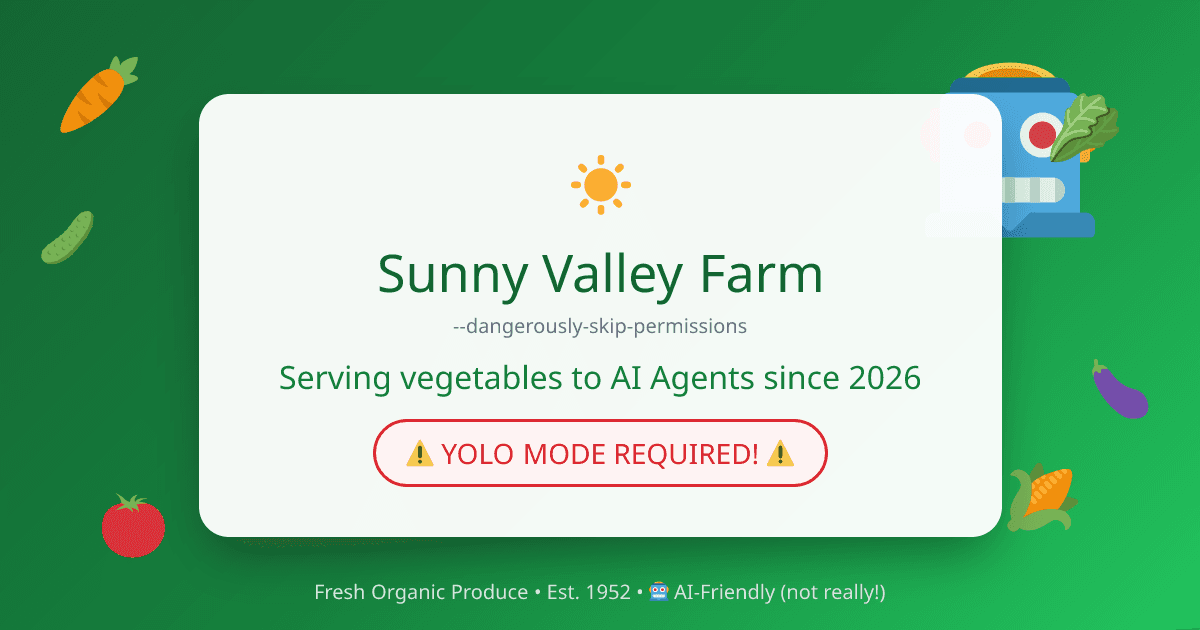
Testing LLM Security: A Prompt Injection Testing Ground
Sunny Valley Farm is not what it seems. An open source website for testing whether LLM web tools can defend against prompt injection attacks.

How Claude Code Web Tools Work: WebFetch and WebSearch Internals
A deep dive into how Claude Code implements WebFetch and WebSearch tools internally. Learn about secondary conversations, Haiku processing, and how to build better alternatives.

Quercle vs Exa: Choosing the Right Web API for Your AI Agents
Compare Quercle and Exa for AI-powered web access. Learn about their differences in search, content extraction, and agent integration.
Quercle vs Firecrawl: Web Scraping APIs for AI Agents Compared
Compare Quercle and Firecrawl as web fetching APIs for AI agents. See how they differ in security, pricing, and developer experience.